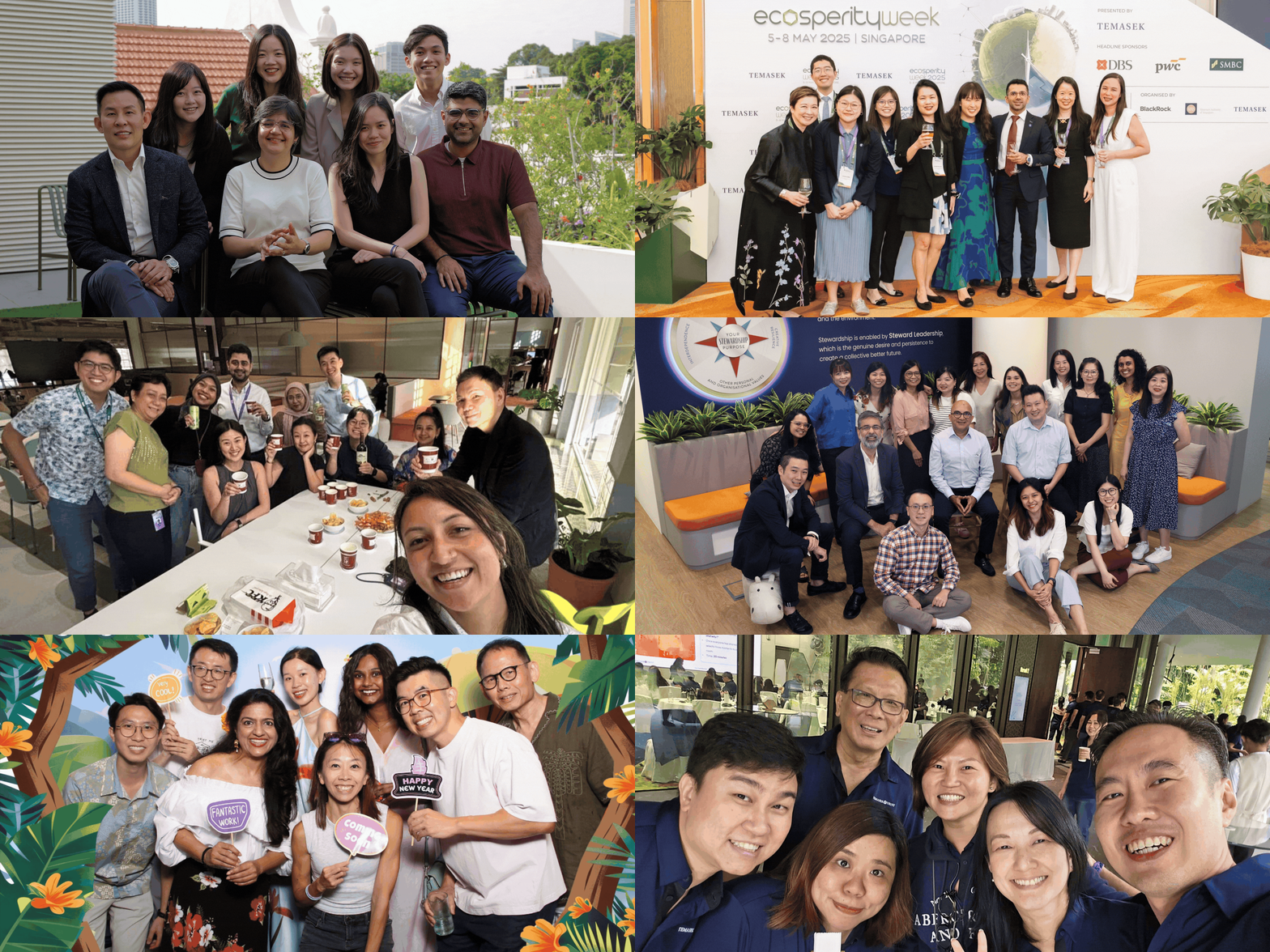


Every act of giving creates a multiplier effect.
Every contribution — whether time, resources, or financial support — is an investment in people and communities, even when the results are not immediate. When we invest in women, we help them pursue their personal and professional aspirations, and strengthen the communities they support.
In the lead-up to International Women’s Day (IWD), our colleagues from across the Temasek Trust ecosystem share their perspectives on what this looks like in practice, how they are adopting a gender-inclusive lens in their work, what has shaped their perspectives, and how we can all do our part to advance progress for women.
Read on for more highlights from our conversations with our colleagues:
- Rachel Fong, Assistant Vice President, ABC Impact
- Levonne Goh, Centre for Impact Investing and Practices (CIIP)
- Fadhilah A R Zamawi, Inclusive Development Lead, Philanthropy Asia Alliance (PAA)
- Annisah Smith, Senior Strategic Partnerships Manager, Stewardship Asia Centre (SAC)
- Ranjani Rajenthiran, Associate Director, Programmes, Temasek Foundation (TF)
- Geraldine Chin, Head, Insights & Impact, Temasek Trust (TT)
What does this year's IWD theme “Give to Gain” look like in practice?
Annisah, SAC: In steward leadership, we believe that giving intentionally — through mentorship, capital, or opportunity — does not diminish us. Instead, it expands the ecosystem so that more people can flourish. It is shifting from a scarcity mindset to one of “doing well by doing good” and investing in people, especially women, before the returns are obvious. In practice, it looks like senior leaders opening doors, sharing networks, and lending credibility to emerging voices to lead the next generation. It also means embedding fairness and long-term value creation into the way organisations operate.
In that sense, giving is strategic and generative. When women are empowered to lead, innovate, and build, organisations benefit from stronger decision-making, more resilient cultures, and access to wider markets. Societies also gain greater economic participation and social stability.
Fadhilah, PAA: To me, it is a multiplier effect, where every act of giving creates a net positive. And it is not always financial. Sometimes, the most valuable gift is time, sharing hard-won advice or opening up opportunities for others. One moment that has stayed with me is a conversation with an associate partner at a consulting firm early in my career. I was considering switching tracks from research to consulting but was concerned about the long hours, especially if I were to have children in the future. She advised me to take things as they came instead of planning around uncertainties. That shifted my perspective. It showed me that giving could simply be offering someone the mental freedom to choose.
At PAA, we see this same principle play out at a systems level. When philanthropists come together to share resources, ideas, and networks, the impact multiplies. By connecting funders, implementers, and policymakers, we aim to catalyse climate, health, and inclusive development solutions across Asia. In that sense, “giving” becomes not just an act of generosity, but a way of unlocking opportunities for entire communities to thrive.
Rachel, ABC Impact: At ABC Impact, we believe meaningful progress comes from deploying capital intentionally and strategically. Our approach centres on equity and equality. We look for solutions that improve access to, and the quality of, essential services for underserved communities in emerging markets. Across much of our portfolio and pipeline, women face structural barriers to socio-economic advancement and often represent a disproportionate share of target beneficiaries. By systematically applying an inclusive lens to our investments, we can account for gendered realities such as caregiving and address disparities in areas like literacy and safety, while helping our investees tailor their solutions more effectively for women.
.jpg?sfvrsn=234f1b9c_1/%0A2x1-abc-impact-colleagues-(dcdc-deal-team).jpg)
Rachel (bottom row, third from left) with the team at ABC Impact supporting the growth of portfolio company DCDC Kidney Care, one of India’s largest dialysis networks delivering affordable treatment to underserved patients.
We evaluate prospective opportunities using an impact framework that considers their target markets, their efficacy in addressing systemic barriers, and their beneficiary experiences, among other criteria. This helps us project the potential scale of impact of each prospect and ensure our capital is deployed to catalyse meaningful change.
Levonne, CIIP: It means actively choosing to give to women, and being more conscious about whether that support actually reaches them. For example, we understand from our research that some financial products may have been designed with vulnerable communities, such as women beneficiaries, in mind. Yet, within households, it is typically the husband or a male relative who takes up loans for the household under his name. Hence, funding may not go towards the women who are actually managing the household’s operations or working on the family farm.
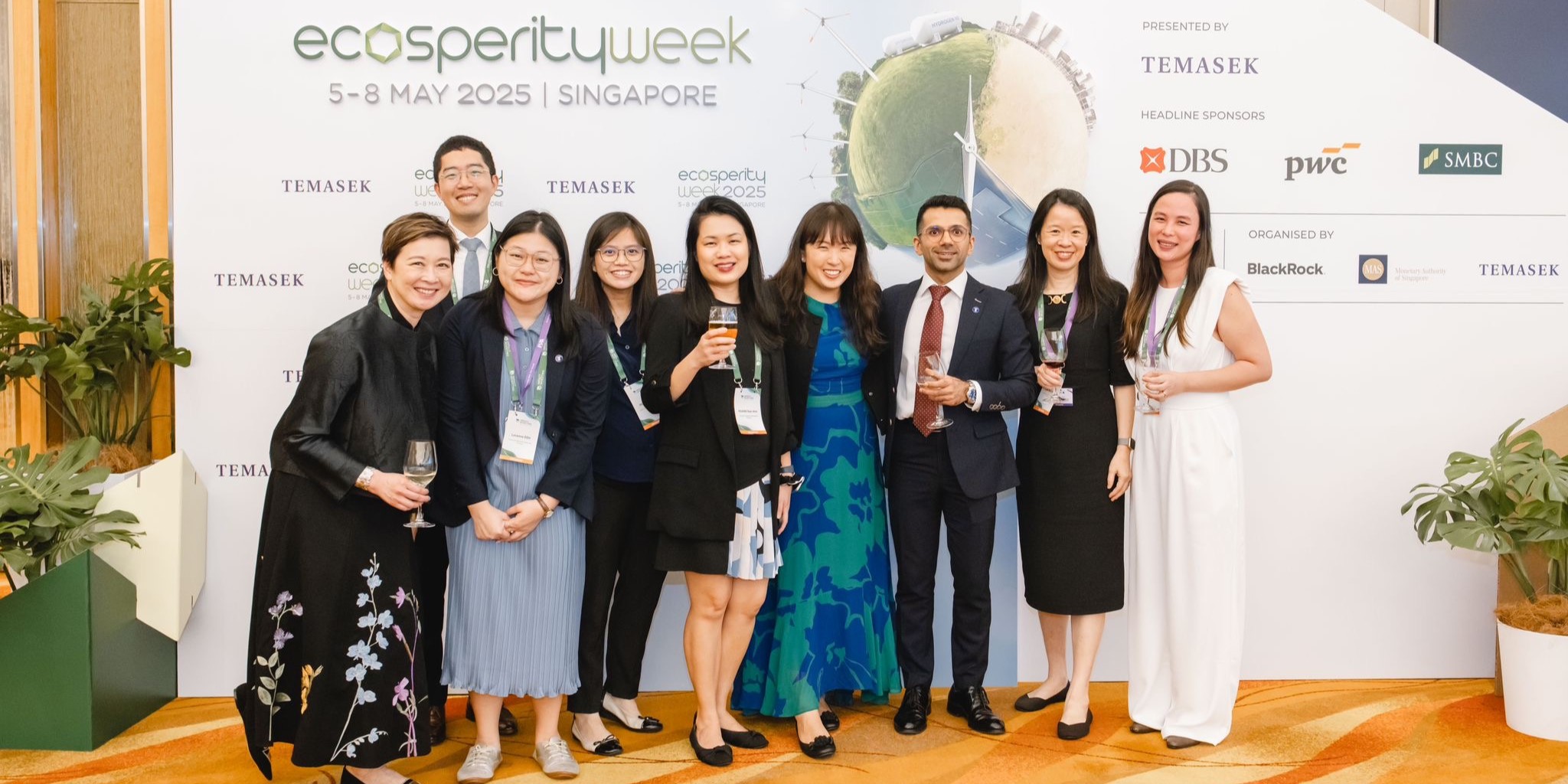
Levonne (bottom row, second from left) with the CIIP team at Impact Investing Roundtable 2025, co-organised by Temasek and CIIP, which explored how deeper end-user insights, partnerships, and innovative financing can drive meaningful and measurable impact.
How is your organisation supporting women’s advancement and where is greater progress needed?
Ranjani, TF: For us, supporting women’s advancement starts with ensuring that they are not left alone during life’s most critical moments. A key focus for TF’s maternal and child health team — which I am a part of — is supporting women during pregnancy, childbirth, and early motherhood. One example is the Donor Human Milk Bank. Established by KK Women’s and Children’s Hospital (KKH) in 2017 with TF’s support, the milk bank provides mothers of premature and ill infants, as well as those unable to breastfeed, access to safe pasteurised donor human milk (PDHM). Having since demonstrated impact, the pilot was mainstreamed in 2024 with support from the Singapore government.
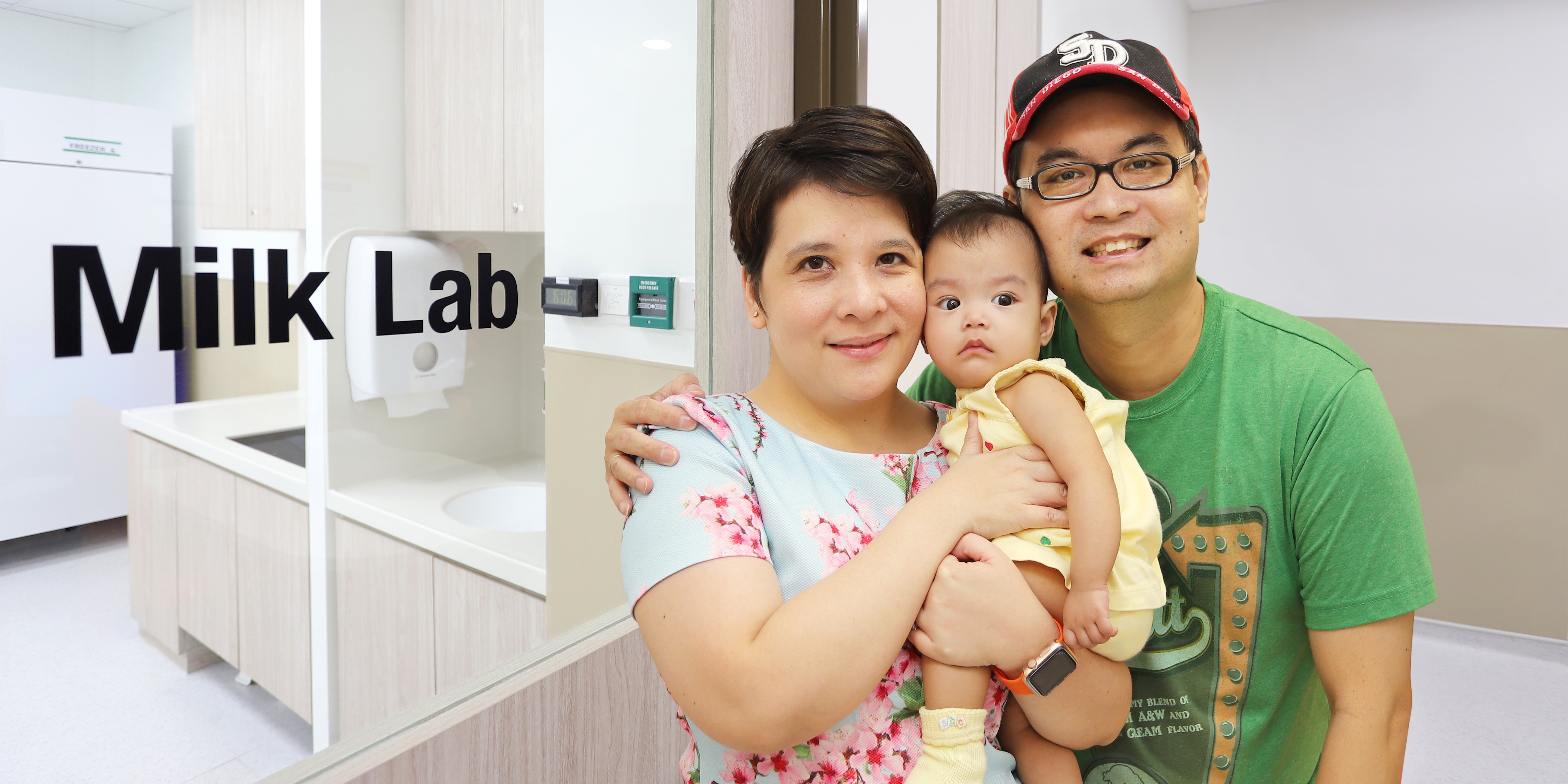
A family who both received from and donated to Singapore's first donor human milk bank piloted by TF and KKH.
Today, the milk bank supplies PDHM to all public hospitals in Singapore. Since 2017, more than 1,200 mothers have donated over 14,600 litres of milk, benefitting over 6,500 premature and sick infants. We also saw the incidence of necrotising enterocolitis, a potentially fatal condition in premature babies, fall from seven to two per cent. Beyond having the right infrastructure, the pilot succeeded because of the trust and partnership of women who had chosen to contribute. Nonetheless, greater progress is needed in ensuring that quality care and support are accessible to women from all backgrounds. Advancement is meaningful only when it reaches those who need it the most.
Geraldine, TT: At TT, women have access to leadership pathways and generous leave allowances to cater to personal matters like caregiving duties. This gives many of us the flexibility to manage both our professional aspirations and personal commitments. Our efforts mirror broader movements in gender equity in Singapore. For example, women now hold one in four board seats among Singapore’s top companies — up from just 7 per cent a decade ago — but more needs to be done to achieve true parity. Through initiatives such as the Singapore Council of Women’s Organisations’ BoardAgender programme, which I was privileged to be a part of in 2023, more women are supported in building visibility, networks, and readiness for senior leadership and board roles.
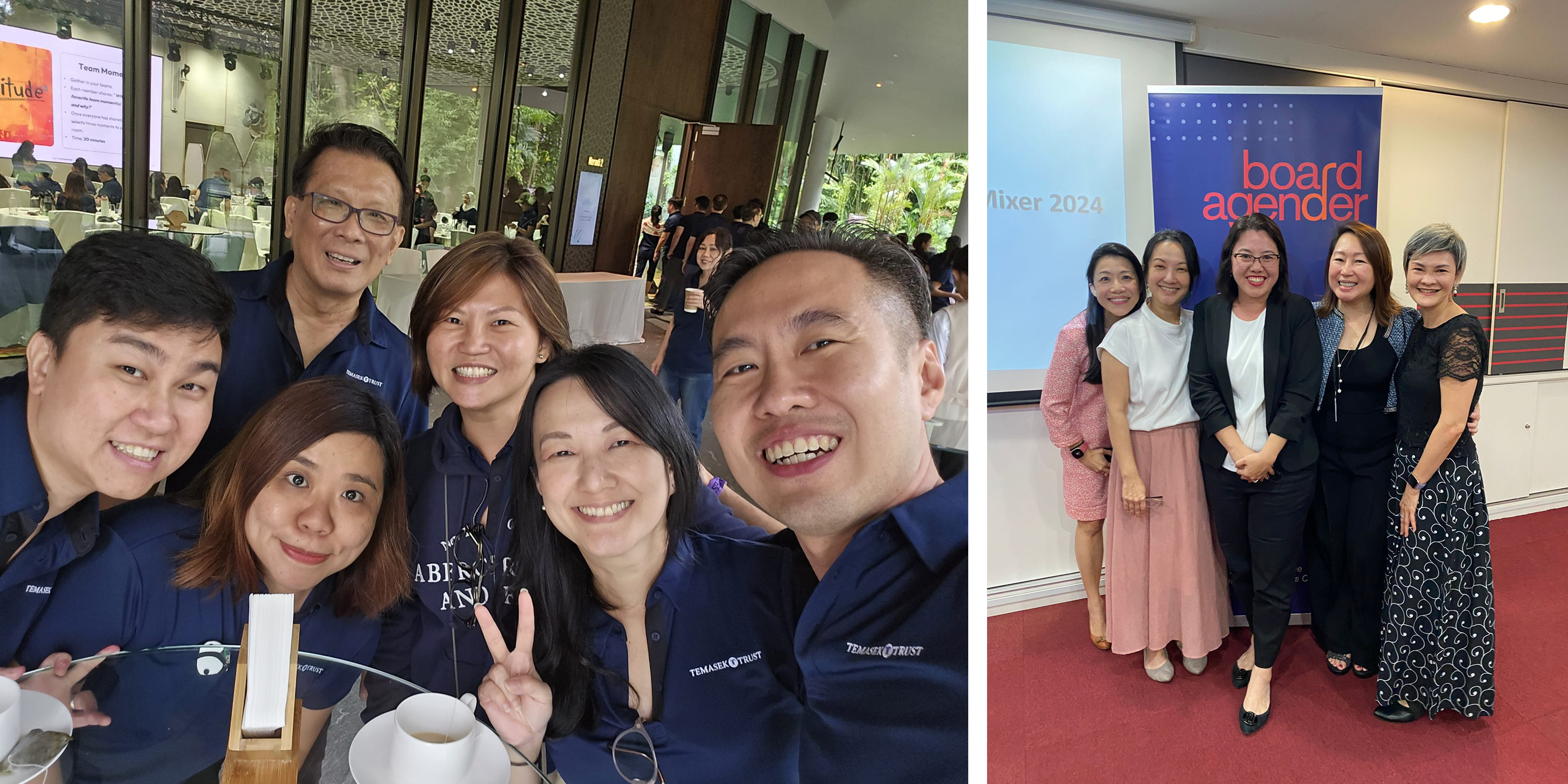
Geraldine with colleagues from the Systems, Knowledge, and Impact team at TT during a company retreat (left), and with classmates from the 2023 cohort of the Singapore Council of Women’s Organisations’ BoardAgender programme (right).
Research has shown that educating girls and women supercharges inclusive development — reducing poverty, improving health outcomes, lowering child mortality, and curbing violence. Yet, according to UNICEF, 122 million girls remain out of school globally and nearly 50 million adolescent girls and young women today are unable to read or write a simple sentence. This highlights the need for basic literacy programmes. In this age of technological and AI transformation, the gender gap risks widening even further if we do not act quickly.
Annisah, SAC: SAC’s Steward Leadership 25 (SL25) award recognises 25 organisations across Asia-Pacific each year, showing that profitable, sustainable growth can go hand in hand with addressing society’s most pressing challenges. Over time, we realised that some of the most innovative, resilient, and impactful work was emerging from frequently marginalised or overlooked communities. Recognising the importance of uplifting women in this effort, we brought on board WeConnect International as a SL25 nominating partner. Their support helps us surface women-led initiatives that might otherwise go unnoticed, and connect them to the networks, resources, and opportunities that can help them scale.
Through SL25, we are seeing more initiatives that empower women — sometimes led by women, and sometimes championed by men. For example, Kanpur Flowercycling, founded by Ankit Agarwal, offers marginalised women dignified employment by training them to repurpose temple waste flowers into eco-friendly products like Fleather, a vegan leather alternative. The Courage Chapter, co-founded by Kai Ning Lim, launched the Reternship Programme to help retirees and senior professionals re-enter the workforce on their own terms, through fractional or project-based roles. Both initiatives demonstrate how empowering individuals — especially women and marginalised communities — can drive meaningful social and economic impact. Such recognition can serve as a catalyst — providing visibility, credibility, and networks that open new pathways for growth.
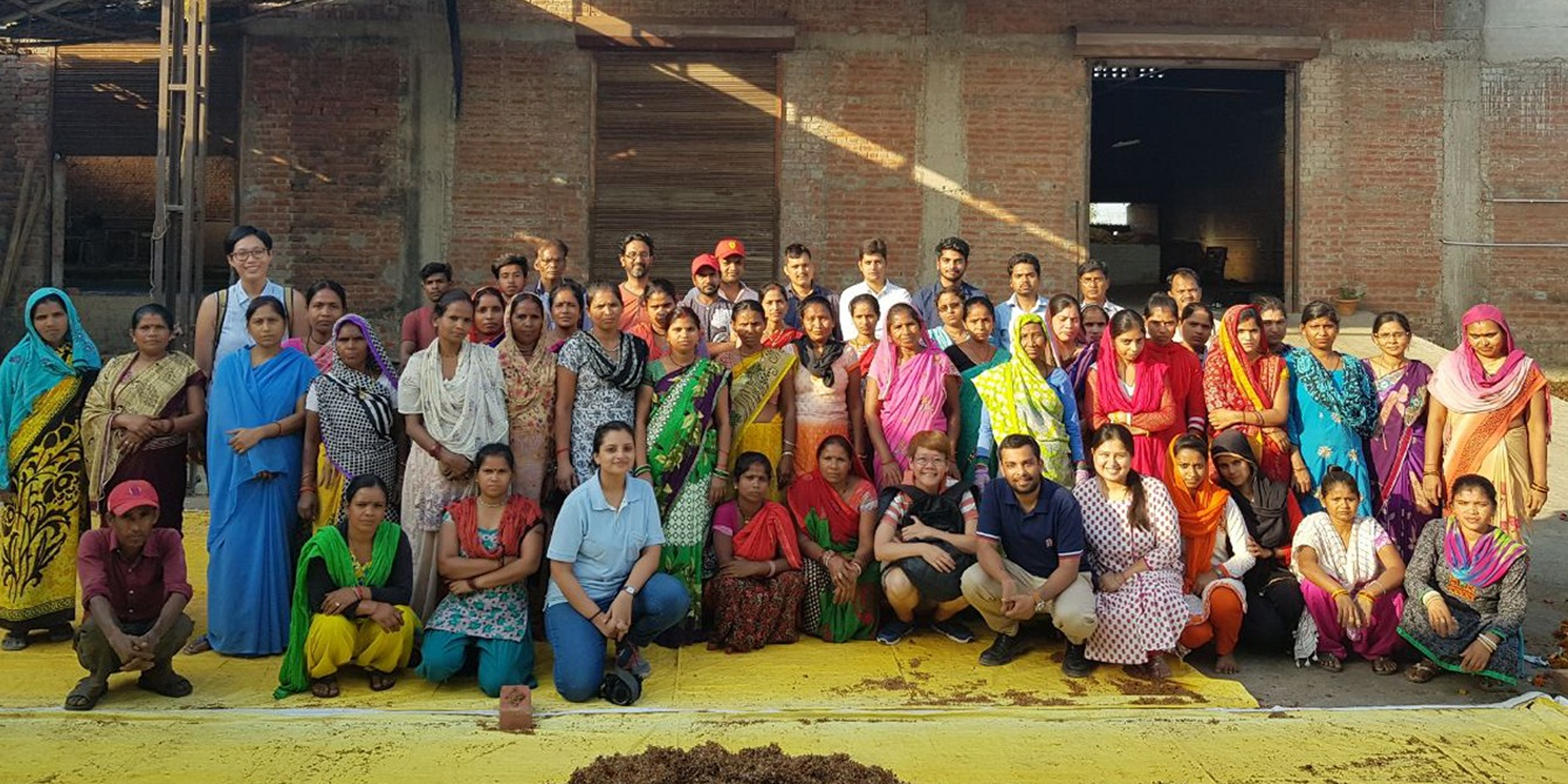
Since its launch, Kanpur Flowercycling — part of the 2024 edition of SL25 — has employed 724 women, providing them with full-time jobs that offer financial independence and improve their quality of life.
Rachel, ABC Impact: Our assessment framework helps us to consistently understand, measure, and monitor the nuanced benefits a solution delivers for women. Some of our portfolio companies have designed women-focused products or initiatives:
- Aye Finance, which provides loans to micro and small enterprises in India, offers collateral-free financial products (“Shakti Loans”) that reduce barriers to formal financing for women-led enterprises. These loans are tailored to address the socio-cultural constraints women entrepreneurs often face, advancing financial inclusion and improving business productivity, self-sufficiency, and livelihoods for this segment.
- DCDC Kidney Care, an India-based dialysis provider, has introduced gender-sensitive scheduling, granting women priority dialysis slots in the mornings for safety when travelling to and from facilities. They have also implemented protocols to ensure female staff availability during treatment, addressing unique societal barriers to ensure equitable access to care.
However, more progress is needed to embed this gender-inclusive lens across the portfolio. Ultimately, when companies better understand the distinct needs of women consumers, they can tailor their solutions for better market-fit and adoption, while driving more holistic impact for end-beneficiaries.
Levonne, CIIP: Our Financial Inclusion in Post-COVID Southeast Asia: Accelerating Impact Beyond Access report found that financial inclusion has a greater impact on women. Compared to men, women are more likely to use loans for business purposes and to increase spending on household wellbeing such as children's education and quality meals. Further, 60% of female customers of microfinance institutions indicate an improved ability to make financial decisions independent of their spouses, compared to 52% of men. These point to the responsible and impactful ways in which women are deploying borrowed funds, channelling them towards education, healthcare, and businesses.
Through the Amplifier mentorship programme, CIIP is also supporting impact startups globally — many of whose founders are women – to scale their solutions across Asia. The past two programme editions have seen these female founders receiving expert mentorship and tailored support over a 12-month journey, facilitated by the CIIP team. Through such research, training, and field-building efforts, CIIP is supporting the integration of inclusive and equity-focused approaches within impact investing and enterprise development, contributing to broader efforts to address gender inequalities.
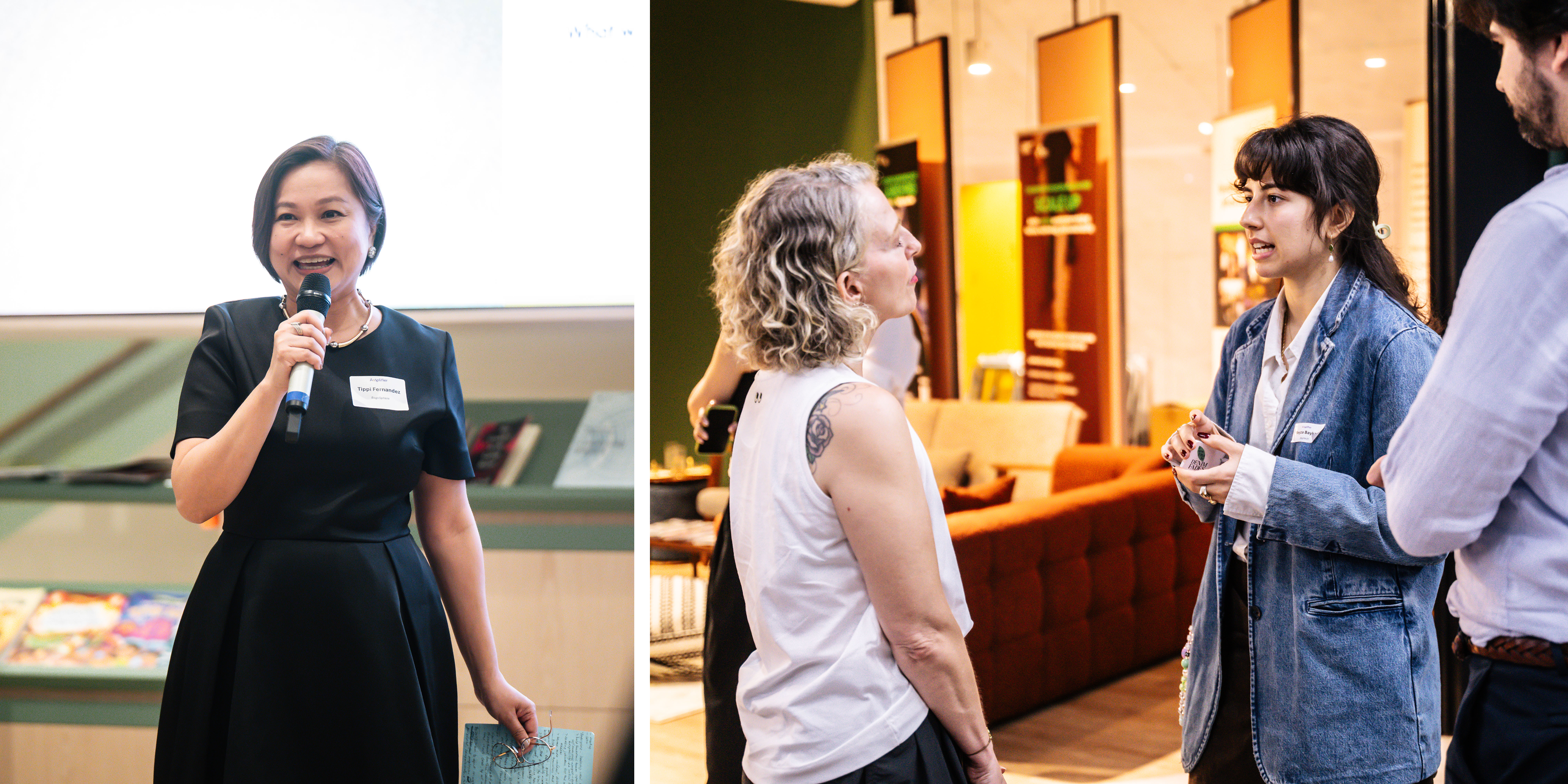
(Left) Tippi Fernandez, Co-founder and Chief Operating Officer, BagoSphere, pitching their solution to support frontline workers with structured, future-ready career pathways. (Right) Beyza Baykan, Founder and Managing Director, Baytech, sharing about their efforts to develop sustainable, high-performance denim washing alternatives at an Amplifier networking event.
Fadhilah, PAA: Many of our members and partners are advancing women’s inclusion and economic participation in several ways. For example, PAA supported Educate Girls in India, where the gender gap remains significant: More than half of the 100+ million women aged 15–29 have not completed secondary education. This Grade 10 credential is critical for access to entry-level jobs, formal credit, and vocational training. Through their second-chance Pragati programme, Educate Girls helps out-of-school girls and young women from low-income households to obtain this credential through the government open schooling system, and links them to employment, training, and financial inclusion pathways.
Another PAA member, Aboitiz Foundation, runs the Elevate AIDA programme which equips women — including stay-at-home mothers and displaced workers — with digital and AI skills that enable flexible and future-oriented employment. One of our programme partners OneSky addresses the needs of marginalised young children and women through independent childcare provider training, strengthening both women caregivers and the next generation. Ultimately, inclusion and a gender lens should be embedded across broad-based programmes, and not just women-focused ones. Inclusion should be the default, not an afterthought.
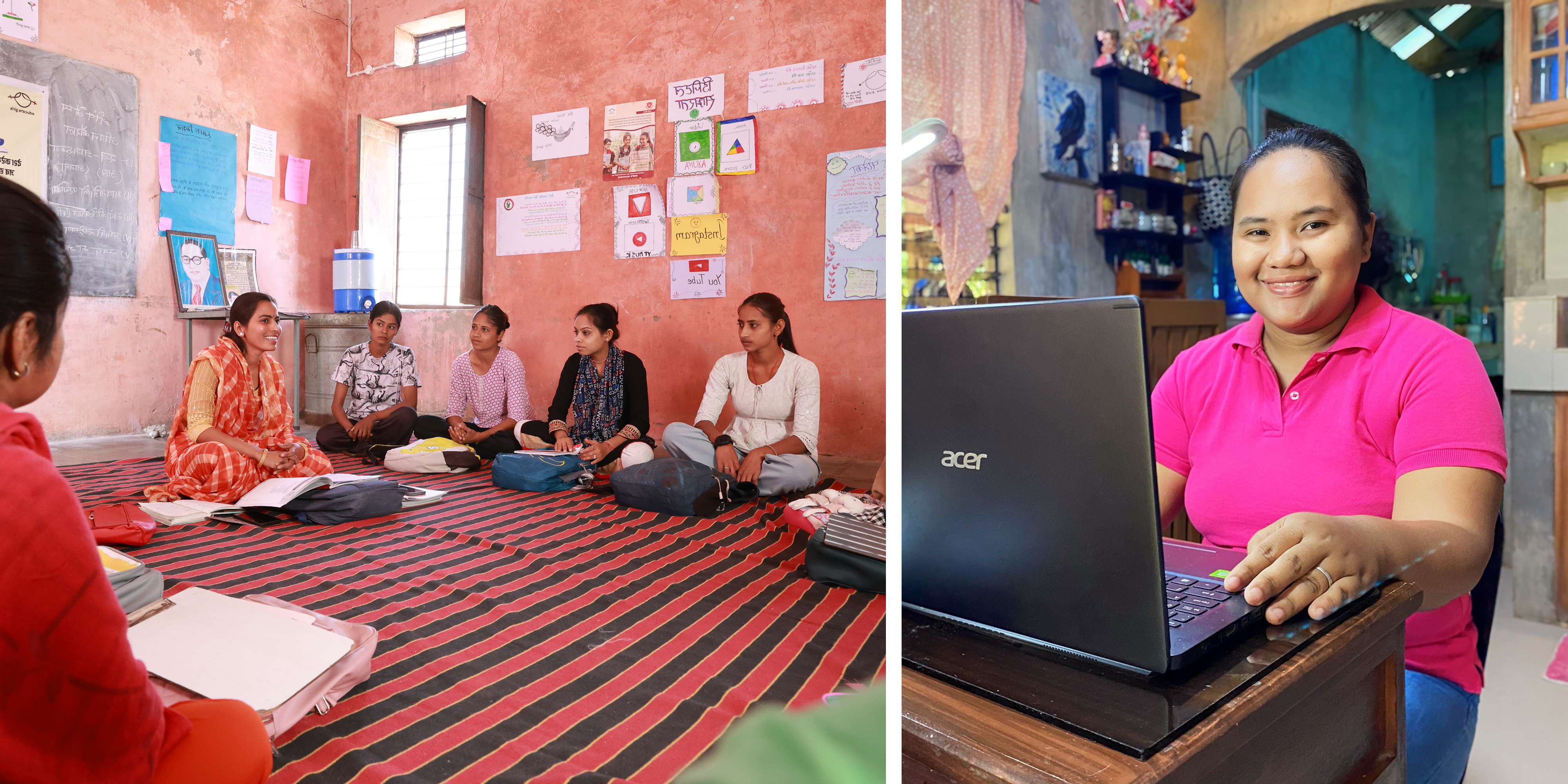
(Left) Educate Girls’s Pragati programme provides education to adolescent girls and young women through village-based learning camps. (Right) Aboitiz Foundation’s Elevate AIDA programme empowers women with digital literacy skills and remote job opportunities in AI Data Annotation (AIDA).
Was there a defining moment that shaped how you now support women’s advancement?
Geraldine, TT: Throughout my career, I have witnessed moments where women felt pressured to compete against one another in harmful and unproductive ways. This undermines both personal growth and collective progress. Yet, these experiences taught me something powerful: when culture shifts toward collaboration, partnership, and mutual support, women can become each other’s greatest allies and champions — lifting one another up and creating a ripple effect of empowerment. I have been inspired to create spaces where women can thrive through unity instead of division, and collaboration instead of competition, knowing that we can achieve far more collectively than we can alone.
Annisah, SAC: Growing up between Asian and Western cultures — as the youngest and only girl among five brothers — taught me early on to make my voice heard. This meant breaking barriers and taking unconventional paths — including pursuing a Masters in Global Environmental Policy. That journey brought me to women in fishing cooperatives in Costa Rica and smallholder farmers in North Sumatra, where I saw firsthand how their education and leadership were critical to the success, resilience, and long-term development of entire communities. Along the way, I tutored and mentored young girls through their formative years, and saw how crucial support and guidance can be in helping them navigate challenges and find their own voice.
But the most defining chapter has been becoming a mother. Balancing family and professional life is not easy. It has shown me how the “village” that once supported our parents and grandparents is changing — making community support for mothers and families more important than ever. Motherhood has deepened my empathy for the realities of modern womanhood, where ambition, family responsibilities, and societal expectations intersect.
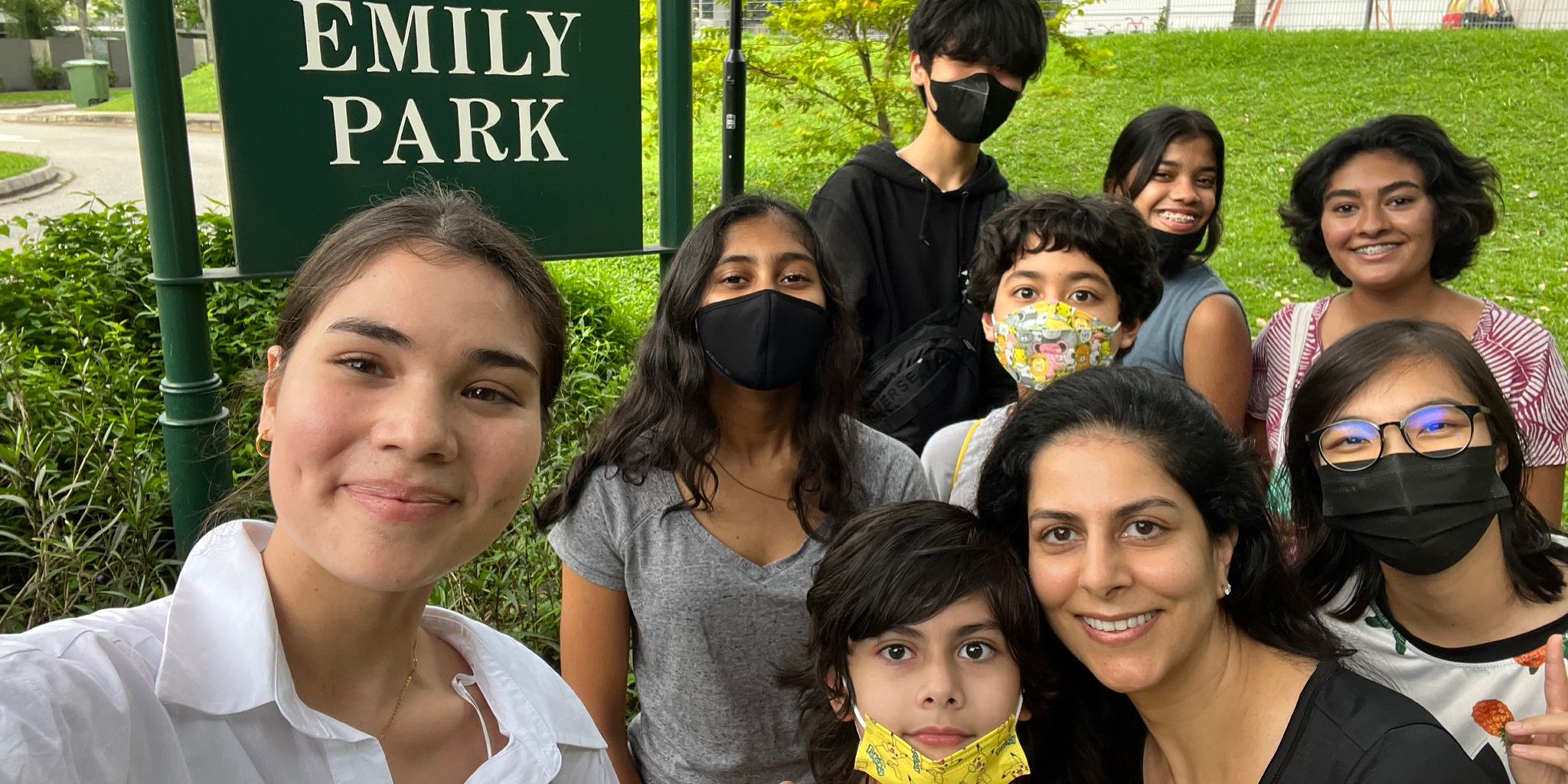
Annisah (first from left) actively mentored young girls and aspiring leaders throughout her schooling years and after moving to Singapore, offering them guidance and encouragement.
Levonne, CIIP: There hasn’t been a single defining moment, but rather a consistent observation of how the women in my life are constantly showing up for their families and for themselves. For example, my mum built her career while raising my brother and me. Now that we are older, she continues to work while caring for my grandparents — and still makes time for her hobbies and friends. I find that incredibly inspiring.
Ranjani, TF: When my elder daughter was born, she had complications and spent her first week in the special care nursery, where she was tube-fed. It was an emotional time for me as a new mother, especially since my milk supply had not come in yet. I thus consented for her to receive donor human milk. I felt reassured knowing that screened mothers had donated their surplus milk so that babies like mine could be cared for.
What stays with me the most is that these donations often come from women who are recovering from birth, caring for their own babies, and running on very little sleep. And yet, they still choose to give. This kind of giving is a quiet form of leadership and kinship, strengthening more than one family at a time. My daughter benefitted from women I will never meet and I am forever grateful. Being part of TF’s maternal and child health team today feels like a full circle moment. Having once received support from other mothers, I now get to contribute to building that same circle of care for others.
Fadhilah, PAA: It is more of a collection of stories of the grit, resilience, and determination of women I have encountered in my life: my mum who reused the same assessment book over and over by erasing her answers so she could practise again; the cleaning auntie at my old office who rose at 3am daily to travel from Johor to Singapore for work; a past tutee who showed up smiling every week despite living in an abusive household. I also carry with me these words by the American writer Toni Morrison: “When you get these jobs that you have been so brilliantly trained for, just remember that your real job is that if you are free, you need to free somebody else. If you have some power, then your job is to empower somebody else."
How do you manage your energy and resources to give sustainably and avoid burnout?
Levonne, CIIP: The first step for me is recognising when I am tired or burnt out. Only then can I take action by resting, recharging, or asking for help. Women are often expected to carry a great deal — building a career, breaking through glass ceilings, while also carrying the mental and emotional burden of being a caring mother and filial daughter. In juggling these expectations, it can be easy to ignore the signs of burnout because there never seems to be enough time. But, we need to give ourselves more credit — and space to breathe.
Rachel, ABC Impact: What encourages me is seeing where our efforts land and how impact shows up in target communities. I am privileged to work in a sector where our assessments and decisions have real-world, on-ground benefits. Although much of my work is desk-bound, it is important that we validate the impact of our companies first-hand. Visiting our portfolio companies allows us to meet dedicated personnel and the end-beneficiaries. I remind myself that these data points represent dynamic people from all walks of life. That perspective helps me see the bigger picture, beyond the spreadsheets. And when I need to recharge, I take time off to go diving.
Ranjani, TF: I am one year into my role at TF, and raising two daughters aged one-and-a-half and three. It has quickly taught me that energy is finite. While the instinct to help comes naturally, I try not to romanticise giving. Instead, I share the workload with my team. Otherwise, the work becomes unsustainable. I focus on what truly matters, lean on my support systems at home and at work, and protect time to recharge. Rest is not indulgent — it is necessary. If I want my kids to see a mother who is thriving, not just surviving, I have to pace myself.
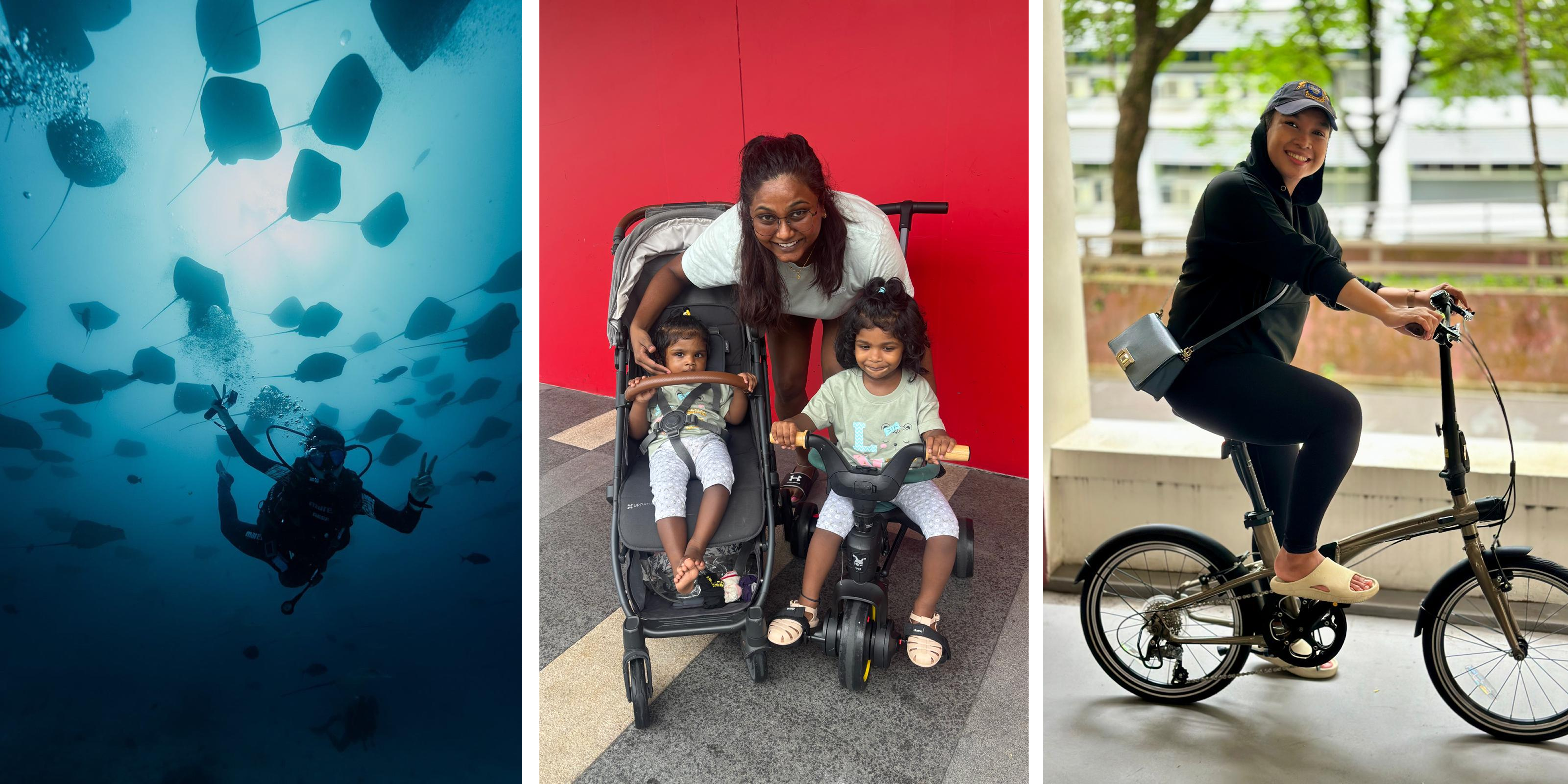
(Left to right) Our colleagues engaging in activities that help them rest and recharge: Rachel diving with stingrays; Ranjani spending time with her two young daughters; Fadhilah cycling almost daily to remain active.
Fadhilah, PAA: The responsibility of tackling inequality should not rest solely on women — that would defeat the purpose of what we are trying to change. Social issues require a whole-of-society effort. Recognising this helps me carry the work more sustainably. In my role at PAA, much of what we do is about bringing together funders, implementers, and partners so that responsibility and solutions are shared across the ecosystem.
On a personal level, I try to be deliberate about what I can influence given my role, skills, and bandwidth. There will always be more to do, but I have learnt that overextending myself does not help anyone in the long run. Most importantly, I am learning to rest without guilt. Giving sustainably means accepting that you are a person, not a resource. You need time to think, recover, and live your own life. Otherwise, the work becomes something you merely survive, rather than something you can keep showing up for.
What is one hard-earned lesson you'd share with those seeking to drive change for women?
Geraldine, TT: The role of women in societies has evolved over centuries and it will continue to evolve. To sustain that momentum, young girls need visible female role models — so they are inspired to reach their full potential and carry progress forward. Change takes patience, courage, and persistence. Progress is rarely linear, and setbacks are part of the journey. The key is to stay committed, celebrate small wins, and hold onto the long-term vision — even when results feel slow.
Annisah, SAC: Keep going, even when you are charting new ground, when those closest to you do not fully understand your purpose, and when barriers seem insurmountable. Meaningful change demands persistence in the face of uncertainty, and it is easy to be discouraged by setbacks or resistance. But when you stay focused on the end goal — creating real opportunities and impact for yourself and the women around you — the effort becomes worthwhile. Small, deliberate steps compound over time. Even daunting challenges can be overcome through steady effort. Moments of failure are opportunities to learn, adapt, and grow stronger.
Ranjani, TF: I have come to believe that women already carry a strong instinct to support others. When there is trust and a credible platform to help, women step forward because they want to contribute and be part of the change. The question is whether we are building good systems that uplift these women in return. Real progress is not about asking women to carry even more. It is about creating conditions where women can thrive, and in doing so, help others thrive as well.
These stories remind us that giving creates momentum. When women are supported, they go on to support others — strengthening families, workplaces, and communities in ways that extend far beyond what we can see.
As we mark International Women’s Day, may we keep building on that momentum — together, with clarity and purpose.
For more updates on the Temasek Trust ecosystem, subscribe to our Impact Brief newsletter and follow us on LinkedIn, Instagram, Facebook, and YouTube.


